30 Floors Up Water and Food Survival Guide
Fill every container while taps run, rack pantry portions, treat unsafe water, then restore flow on floor 27.
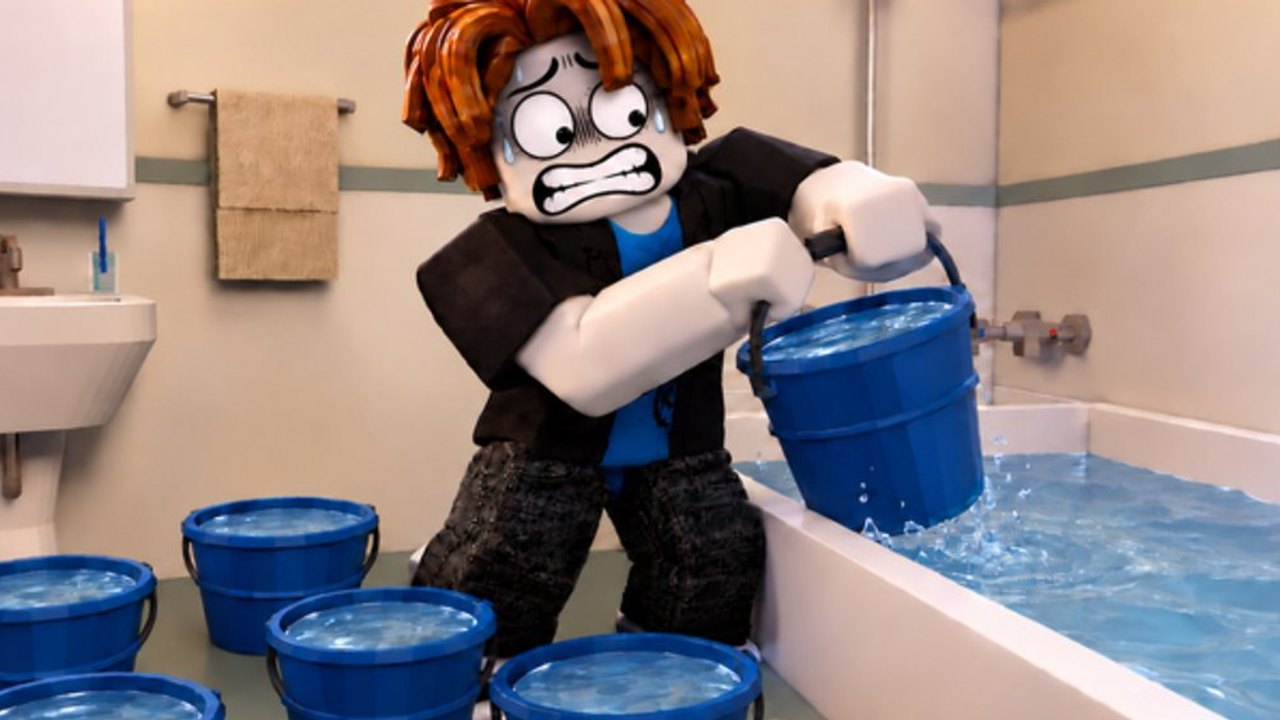
In 30 Floors Up, thirst fails before hunger on most long runs. You begin on floor 30 of Bellwether Heights with working taps for only a short window. This guide covers container sizes, the Night 0 rack objective, what happens when mains die, how to treat unsafe water, the floor 27 valve, pantry spoil rules, and cooking on a stove. Pair it with getting started for the first evening, the floors guide for the valve trip, and how to escape so you do not burn your last liters on a doomed lobby sprint.
Container sizes and early storage
Know the numbers before you walk past an empty pot:
| Container | Approx. capacity | Notes |
|---|---|---|
| Cleaning bucket | 10 L full | Tutorial bucket under the sink; both hands when full |
| Bathtub | about 50 L | Leave the plug in and fill while taps run |
| Jerrycan | 20 L | High-value haul; protect it on ladder climbs |
| Bottles (1 L / sealed 2 L) | 1–2 L | Sealed bottles are clean but not endlessly refillable after the cut |
| Water heater reserve | about 15 L untreated | Drain at the base after shutoff; treat before drinking |
Night 0 teaches the loop: place the cleaning bucket in the bathtub, fill it, then store it on the metal water rack in the living room. The objective completes on the rack, not at the tap. Co-op groups should keep filling every spare bucket and pot the same night. Players who max the tub plus extras often report roughly 68–100 L of clean water by Day 2.
When the taps stop
Expect a building notice and a Day 2-style objective to fill all containers before the taps run dry. Power and water cuts land in the early days (often around Day 2–4 depending on the run). After that:
- Drink stored clean rack water first.
- Loot other apartments for full tubs, bottles, and buckets.
- Do not assume sealed bottles refill themselves at dry taps.
- Skip toilet-tank ideas; the game does not treat that as storage.
Thirst drains on a schedule even while you climb shafts. Sip before long trips. Rough planning math from filmed guides puts about 2 L per person per day at full rations (for example, 18 L lasting about nine solo days). A four-player group drinks four times as fast, which is why co-op needs the floor 27 valve sooner.
Treatment tablets, boiling, and unsafe sources
Only pre-cut tap water counts as clean without extra work. Mark these as unsafe until treated:
- Rainwater — Collectible on rainy days (Day 6 objectives often push collection), but untreated until you process it.
- Water heater drain — Untreated; if you see a leak warning, shut the red valve first, then drain.
- Damaged tanks / dirty containers — Expect waste and contamination flags.
Treatment tablets are the portable answer when you find them in medical or maintenance loot—use them on collected water before you drink. When tablets are scarce, boil on a portable gas stove or apartment cooker until the unhealthy warning clears. Never chug balcony rain “because it looks clear.” Untreated water punishes health and wastes the trip you took to gather it.
Floor 27 valve — turning taps back on
The long-term fix is the valve riser on floor 27. Reach it through lift shafts or careful stair hops (see the floors guide). Force the door, then use an adjustable wrench on the valve. Runs show taps returning after a successful turn, and some notes say the system feeds the rooftop tank again. Refill every bucket and the tub immediately while pressure lasts.
Wrench access usually comes from the emergency / janitor toolbox chain (emergency key path). Plumber-class players free stuck valves faster, but any class can finish the interaction. Bring a light source; floor 27 offices and shafts are dark after the grid fails.
Pantry food, spoil, and rations
Move every fridge item, cupboard find, and shopping-bag portion onto pantry shelves so the counter is real. Scattered floor piles are easy to forget and easier for spoil logic to punish. Open the in-game rations panel on Day 1:
- Full rations — Comfortable bars, fastest drain.
- Reduced rations — Stretches calendar days when water is the bottleneck.
- Emergency rations — Last resort for escape pushes or siege days.
Canned goods often need a can opener or Spoon-style pass before they become edible portions. Raw meat and some cooked leftovers spoil; cooked meals last longer, especially with a Cook-class bonus (+2 days freshness on cooked batches in class text). Keep opened food sealed and off dirty floors when the game warns you.
Community kitchen finds on floor 19 (water jugs, packs, ladder access) are the mid-building restock when home shelves thin. Trade spare food to neighbors only when the deal returns radios, keys, or medical value—see players.
Cooking on the stove
A portable gas stove (both hands while carried) or built-in cooker turns raw finds into lasting meals. Cook-class perks add a bonus portion on a full batch and halve fuel use. Fuel is limited, so batch cook instead of singeing one item at a time. Never spend your last fuel unit before a known rainy day if you still need to boil untreated water.
Kitchen knives help prep; covered pots reduce mess when you relocate a hot meal. If you lack a stove, prioritize shelf-stable crackers and already-safe cans over raw meat.
Practical daily loop
- Check thirst and hunger bars before leaving the flat.
- Top bottles from rack water; leave bulk buckets on the rack unless relocating.
- Scavenge one wing of the building, not the entire tower, so you return before night pressure.
- Rack new food immediately; treat any rain or heater water before it hits the drink prompt.
- Sleep to clear fatigue so tomorrow’s valve or roof trip is not a stagger.
Co-op water discipline
Assign one player as water lead. That player owns tub fills, tablet inventory, and the floor 27 wrench run. A second player owns pantry counts and cooking. The other two cover door watch and neighbor deliveries. Do not let four people sip independently from the same 10 L bucket without tracking—groups die of “I thought you were counting.”
Mistakes that end runs
- Waiting for the Day 2 fill objective instead of filling on Night 0.
- Counting untreated rain as clean.
- Leaving the wrench behind when you finally reach floor 27.
- Eating tins without an opener while “full” pantry numbers look safe.
- Pushing an escape route from how to escape with empty bottles.
Master water first, food second, doors third. With racks full and the valve understood, you can choose 100-day rescue or a loud lobby cut without thirst deciding for you.
Frequently Asked Questions
Quick answers for survivors stuck on floor 30.
How much water does the cleaning bucket hold?
About 10 L when filled to the top in the bathtub. Store it on the living-room metal water rack to complete the Night 0 water objective.
Is rainwater safe to drink?
No. Rainwater is untreated until you use treatment tablets or boil it. Drink stored clean tap water first whenever you can.
How do I get water after the taps stop?
Loot other apartments, drain and treat heater water, collect and treat rain, then open the floor 27 valve riser with a wrench to restore flow and refill everything.
Why won’t my canned food feed me?
Most tins need a can opener (or an equivalent pass perk) before they become edible portions. Keep openers with your pantry stash.
How much water should a four-player group store?
Aim for the bathtub (~50 L) plus every bucket and jerrycan you can fill before the cut. Groups drink roughly four times solo full-ration rates, so prioritize the floor 27 valve early.